
Inadequate operating pressure
Low or unstable pressure can be reviewed with feed flow, filter condition, valve position and available gauge readings before the pump is treated as the only cause.
Feed and high-pressure pump support
Request electrical and mechanical inspection for eligible industrial RO feed-pump, high-pressure-pump and motor concerns, including pressure loss, noise, vibration, heat, leakage or tripping.
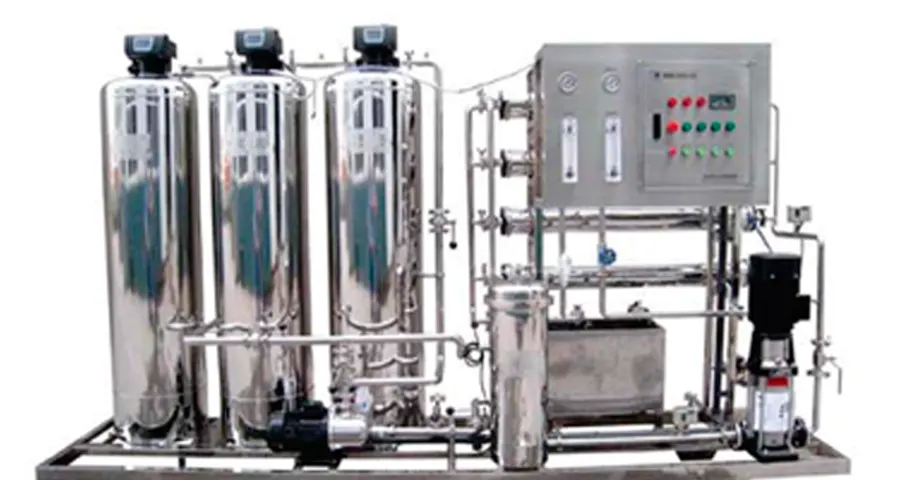
Pump and motor symptoms need inspection before a repair method or spare can be promised. Inadequate pressure may involve feed availability, filters, valves, pump wear, coupling, motor performance or electrical supply. Noise, vibration, leakage and overheating can have different mechanical or operating causes. The service focuses on identifying the installed pump and motor, observing safe operating behavior and defining eligible repair, specialist work or replacement guidance after findings.
Mysore plant context
Manufacturing units, hotels, hospitals and large apartment facilities in Mysore may depend on the RO plant during fixed production, kitchen or occupancy windows. A noisy pump that still runs should not automatically be deferred until failure. Share when the symptom appears, whether demand has changed and what backup water is available so inspection or shutdown can be planned with less disruption.
Homes are not the primary audience for this page. Support is inspection-led and depends on the plant type, capacity, issue and installed design.
Problems and warning signs
Stop and seek safe guidance for severe leakage, burning smell, exposed electrical damage or repeated protective tripping. Do not repeatedly reset equipment to keep production running.
Low or unstable pressure can be reviewed with feed flow, filter condition, valve position and available gauge readings before the pump is treated as the only cause.
A new sound, cavitation-like noise or vibration may involve feed conditions, mounting, bearings, alignment, coupling or internal pump condition where applicable.
Motor heat and repeated trips require electrical and mechanical context, including load, supply, protection, ventilation and whether the pump turns freely.
Share the exact leak location around connections, seal area or pump body. Continued operation may worsen damage and should be assessed safely.
Inspection-led service scope
The installed pump type, motor rating and fault determine the scope. This page does not promise rewinding, replacement or a spare before identification.
Check reported feed-pump startup, flow, sound, visible leakage and accessible installation conditions alongside feed availability and pretreatment restrictions.
Review pressure-related symptoms, noise, vibration and leakage where applicable, using available plant readings and safe operating observations.
Inspect accessible motor information, connections, protective trips and operating symptoms within safe limits and the supported electrical scope.
Where the installed design uses accessible coupling or alignment arrangements, visible condition and vibration clues can be reviewed before specialist work is defined.
Record pump model, motor rating and suspected failed parts so repair route, specialist work or replacement options can be checked for availability.
Eligible work is agreed from findings, then a controlled restart and observation can be performed where site conditions and the completed scope allow.
Who this is for
Service depends on the installed plant and findings; this list describes common enquiry contexts, not guaranteed coverage of every plant or industry.
Step by step
Useful model details and symptom timing help route the enquiry, but internal repair and parts are confirmed only after inspection and identification.
Step 1
Explain whether the concern is no start, low pressure, noise, vibration, heat, leakage or tripping and when it occurs in the operating cycle.
Step 2
Share readable pump and motor nameplate photos, capacity, voltage or phase information if known and the plant's normal pressure and output.
Step 3
Arrange operator access and safe isolation. Do not remove guards, open live connections or run severely leaking equipment for a video.
Step 4
Feed condition, mounting, accessible connections, protective behavior and safe operating response are reviewed to define the likely work.
Step 5
Eligible onsite work, specialist repair, rewinding discussion, replacement or spare sourcing follows identification, condition and availability; none is promised in advance.
WhatsApp checklist
Pricing and visit factors
Pump and motor pricing cannot be fixed from the symptom alone. Inspection may identify a connection issue, seal concern, mechanical repair, motor work, replacement need or a restriction elsewhere in the plant.
Pricing depends on the plant capacity, service scope, component condition, access, labour requirement, spare or material requirement and inspection findings.
Preparation and guidance
Protect people and equipment before preserving production. Do not bypass protection, keep resetting trips or touch wet electrical equipment.
Note whether noise, heat or pressure loss appears immediately, after warm-up or under higher demand. This timing can narrow the first checks.
Clear pump and motor labels help confirm ratings and sourcing. Avoid cleaning labels with chemicals or running unsafe equipment solely to capture media.
Report recent filter work, dry-running event, feed interruption, valve change, repair or power issue that occurred before the symptom.
Leave coupling guards, terminals and pump internals closed until safe inspection. Provide clear working space without dismantling the assembly.
Enquiry form
Booking depends on the plant location, capacity, issue, operating condition, access and technician availability.
Questions
Direct answers without fake prices, guaranteed results, fixed response claims or manufacturer-authorisation claims.
Yes, eligible feed-pump and high-pressure-pump concerns can be assessed where applicable. The exact scope depends on installed design, safe access, model and fault condition.
No. Low pressure can involve feed supply, blocked filters, valves, gauges, pump condition, motor performance or plant operation. Checks are needed before selecting repair.
No. Rewinding, onsite repair, specialist work or replacement is discussed only after the motor, fault and practical repair route are identified.
A replacement cannot be promised from symptoms alone. Pump model, rating, duty, connections, condition and availability must be verified before compatible options are discussed.
Avoid repeated resets or bypassing protection. Safely stop the plant where required and share the trip behavior, motor details, load symptoms, leakage and any recent electrical or mechanical change.
Plant location, capacity, shutdown urgency, operating condition, safe access, required skill or spare identification and technician availability all affect scheduling.
Related Industrial RO services
Choose the page that matches the plant concern. This page does not link to itself.
Share pump and motor identification, current readings and the exact symptom. Repair route, parts and visit timing follow inspection, safe access and availability.