
Long service gap
Request a condition review when the last service date is unclear, routine checks have been postponed, or the plant has operated for many months without recorded maintenance.
Planned industrial RO care
Arrange an inspection-led maintenance visit for an operating industrial RO plant, with practical checks based on capacity, usage, readings, service history and present plant condition.
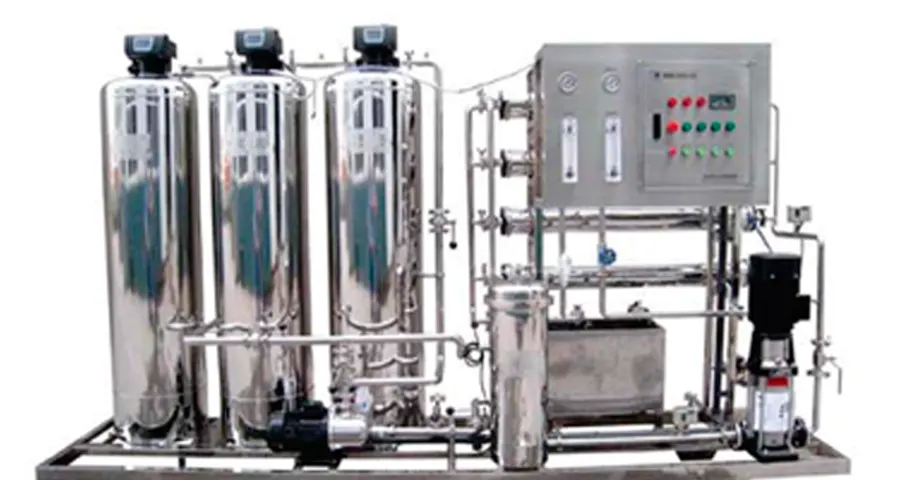
Industrial RO maintenance is for plants that are still operating but need a structured condition review, cleaning plan or attention after a long service gap. The visit can cover output observation, available pressure readings, product-water TDS, visible leakage, filters, membrane performance indicators, pumps, motors and control-panel indications. It is different from booking a broad breakdown repair: the purpose is to understand current operation, identify maintenance priorities and plan eligible work without replacing parts by assumption.
Mysore plant context
Hotels, hospitals, colleges, hostels, food-service units, apartment facilities and workshops around Mysore may operate their plants for very different hours and daily water demand. A hospitality property with changing occupancy needs a different maintenance discussion from a college hostel or a small production unit. Share the operating schedule, peak demand and whether the plant can be paused so the visit can be planned around the actual site.
Homes are not the primary audience for this page. Support is inspection-led and depends on the plant type, capacity, issue and installed design.
Problems and warning signs
Maintenance need is not limited to a complete shutdown. Record changes in output, quality, sound or leakage before they turn into a more disruptive operating problem.
Request a condition review when the last service date is unclear, routine checks have been postponed, or the plant has operated for many months without recorded maintenance.
A slow fall in product-water flow can be reviewed alongside feed conditions, pressure readings, pre-filter condition, reject flow and membrane history rather than blamed on one component.
Share recent product-water TDS and pressure observations if available. Trends provide useful context, but instruments and operating conditions may also need checking before conclusions are made.
Visible water leakage, a new pump sound, vibration or unusual heat should be documented. The plant may need safe shutdown guidance if continued operation could worsen the issue.
Inspection-led service scope
The maintenance scope is selected from plant design, installed stages, access and inspection findings. Not every plant has the same instruments, media vessels or control arrangement.
Observe startup and normal operation where safe, note present output and reject flow, and compare available information with the plant's usual working pattern.
Review current flow, pressure and product-water TDS readings where suitable meters or records are available, while noting feed-water source and recent operating changes.
Check accessible pre-filter condition and membrane performance indicators, then discuss cleaning, replacement or monitoring only when the installed system and findings support it.
Listen for unusual noise, look for vibration, heat or leakage, and review feed-pump or high-pressure-pump behavior without promising internal repair before inspection.
Review visible alarms, displays, indicators and repeated trip information. Electrical access and testing depend on safe isolation and the installed control-panel design.
Separate immediate concerns from routine tasks and record recommended next steps, material identification or specialist checks according to plant condition and site availability.
Who this is for
Service depends on the installed plant and findings; this list describes common enquiry contexts, not guaranteed coverage of every plant or industry.
Step by step
A maintenance enquiry works best when plant information is collected before the visit and the plant can be observed under its normal, safe operating condition.
Step 1
Send capacity in LPH or KLD, feed-water source, operating hours, location, last service date and the changes noticed by the operator.
Step 2
Confirm plant-room access, operating window and whether pumps, membrane housings, filters and the control panel can be reached safely.
Step 3
The technician reviews reported symptoms, available readings, visible condition and operating behavior before deciding the relevant maintenance checks.
Step 4
Immediate issues, routine care, cleaning suitability and any material or spare identification are discussed without assuming a fixed package.
Step 5
Eligible maintenance is planned around plant shutdown needs, labour, materials, access and technician availability.
WhatsApp checklist
Pricing and visit factors
Maintenance pricing is inspection-led because a short operating review, overdue filter work and a multi-component maintenance visit do not have the same scope. No fixed package price is implied by this page.
Pricing depends on the plant capacity, service scope, component condition, access, labour requirement, spare or material requirement and inspection findings.
Preparation and guidance
Keep basic operating records and make the plant safe to inspect. Do not open energized panels or loosen pressurised connections to prepare for a visit.
Maintain a simple log of output, product-water TDS, pressure where available, operating hours and unusual observations so gradual changes can be compared.
Remove movable obstructions around pumps, membrane housings and filters, while leaving isolation and electrical work to trained personnel.
Report temporary resets, frequent choking, past leakage and repeated trips even if the plant is running when the technician arrives.
If checks or maintenance require the plant to stop, arrange stored-water needs and an operating window suitable for the institution or facility.
Enquiry form
Booking depends on the plant location, capacity, issue, operating condition, access and technician availability.
Questions
Direct answers without fake prices, guaranteed results, fixed response claims or manufacturer-authorisation claims.
The relevant scope can include operating-condition review, output, available pressure and TDS observations, visible leakage, accessible filters, membrane indicators, pumps, motors and panel indications. Final work depends on the installed plant and inspection findings.
Yes. Planned maintenance is suitable when the plant operates but output, readings, sound, leakage or service history needs attention. Share whether it can run during inspection and whether a shutdown window is available.
No. Industrial plants differ in capacity, pretreatment, membrane arrangement, pumps, instruments and controls. Checks are selected for the actual installed system rather than using a misleading universal checklist.
Yes. Capacity, feed-water source, operating hours, current output and the last service date help plan the visit. Photos of the nameplate and plant layout are also useful.
No output guarantee is made. Maintenance can identify condition and eligible work, but results depend on feed water, plant design, membrane and component condition, operation and the findings at site.
Booking depends on the plant location, capacity, issue, operating condition, access, preferred shutdown window and technician availability. Call or WhatsApp with these details for current scheduling guidance.
Related Industrial RO services
Choose the page that matches the plant concern. This page does not link to itself.
Share the plant capacity, operating schedule, readings and maintenance concern. Support is planned from site condition, access, shutdown needs and technician availability.