
Dirty or clogged cartridge
Visible loading, discoloration or a known service interval can support replacement planning after the cartridge size, micron rating and housing arrangement are verified.
Pre-filter and cartridge support
Arrange filter inspection and replacement planning for eligible industrial RO pre-filters, cartridges and applicable filter-media stages based on the installed system.
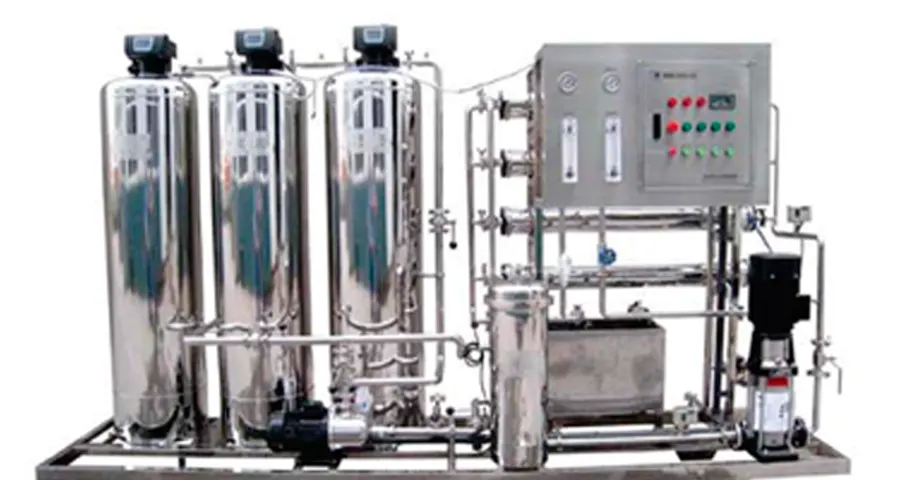
Industrial RO plants do not all use the same filter stages, housing sizes or media arrangement. Filter replacement therefore begins with identifying the installed element, specification and reason for replacement. Dirty cartridges, recurring choking, reduced flow or pressure-drop concerns can be reviewed together with feed-water condition and service history. Multimedia, sand or carbon media work is considered only where the plant includes those stages and the required scope can be supported.
Mysore plant context
Hostels, commercial kitchens, clinics, factories and apartment facilities in Mysore can see very different filter loading because borewell, tanker and municipal feed sources carry different challenges. Frequent choking should not be treated as a request to fit any available cartridge. Recording feed changes and replacement intervals helps determine whether the specification, upstream condition or operating practice also needs attention.
Homes are not the primary audience for this page. Support is inspection-led and depends on the plant type, capacity, issue and installed design.
Problems and warning signs
A filter concern can affect flow and protect downstream components, but replacement decisions should be based on the actual stage, size, condition and operating evidence.
Visible loading, discoloration or a known service interval can support replacement planning after the cartridge size, micron rating and housing arrangement are verified.
A pressure difference across a filter stage may indicate restriction where suitable gauges work correctly. Valve position, feed flow and instrument condition also matter.
Blocked pretreatment can contribute to lower flow, but pumps, membranes, valves and feed supply may produce similar symptoms. Inspection avoids replacing the wrong item.
Short replacement intervals can point to feed-water variation, upstream solids, unsuitable specification or operating conditions that deserve review beyond a one-time change.
Inspection-led service scope
Replacement scope follows the installed plant. Cartridge elements, bag filters and media vessels require different identification, handling and labour.
Identify the accessible pre-filter or cartridge housing, installed dimensions, quantity and known rating before confirming a compatible replacement requirement.
Review visible filter condition, last change date, feed-water source, choking frequency and available pressure observations to understand why service is requested.
Check labels, samples or integrator records where available. Replacement is not confirmed from a photograph alone when size or compatibility remains uncertain.
Plan eligible cartridge or pre-filter replacement with safe isolation, depressurisation, housing access and suitable element handling for the installed system.
Where supported, review multimedia, sand or carbon filter symptoms and discuss inspection, backwash guidance or media work separately from cartridge replacement.
After eligible work, observe housing sealing, visible leakage and initial operation while following the plant's safe startup and flushing requirements.
Who this is for
Service depends on the installed plant and findings; this list describes common enquiry contexts, not guaranteed coverage of every plant or industry.
Step by step
Correct identification comes before material commitment. Bringing an old element, readable label or exact measurement can prevent an unsuitable replacement.
Step 1
Share low flow, pressure drop, visible dirt, replacement interval or repeat choking along with capacity and feed-water source.
Step 2
Send label photos, housing dimensions, element quantity, micron rating or an earlier invoice if available; unknown details may require site identification.
Step 3
The housing, valves, pressure condition and working space are reviewed before opening or confirming the safe replacement method.
Step 4
Compatible elements or supported media work are discussed after identification, subject to material availability and actual condition.
Step 5
Agreed work is completed with appropriate handling, restart observation and leakage checks; disposal guidance follows the removed material and site practice.
WhatsApp checklist
Pricing and visit factors
Filter replacement pricing depends on the identified elements or media, quantity, housing condition, labour, isolation, disposal or handling needs and whether other restrictions are found.
Pricing depends on the plant capacity, service scope, component condition, access, labour requirement, spare or material requirement and inspection findings.
Preparation and guidance
Do not open a housing while it is pressurised. Keep records and removed-element information where safe, because specification history helps future replacement planning.
Capture the housing, element packaging or previous invoice without removing safety guards. Include a scale reference only when it can be done safely.
Record the date, element specification, feed source and reason for each change. A rapidly shortening interval is useful diagnostic information.
Mention cracks, worn threads, corrosion, missing gauges or recurring seal leakage. A new cartridge cannot correct an unsafe or damaged housing.
Site handling and disposal should reflect what the filter has captured and the facility's requirements. Do not reuse visibly damaged or contaminated elements.
Enquiry form
Booking depends on the plant location, capacity, issue, operating condition, access and technician availability.
Questions
Direct answers without fake prices, guaranteed results, fixed response claims or manufacturer-authorisation claims.
Support can include eligible pre-filters and cartridge elements after size, rating, quantity and housing are identified. Applicable multimedia or filter-media work depends on the installed plant and supported scope.
No. Plants differ in feed source, pretreatment design, cartridges, media vessels and operating requirements. Replacement must match the actual installed system.
A restricted filter can contribute to reduced flow or pressure change, but feed supply, pumps, valves and membranes can cause similar symptoms. Inspection helps avoid an incorrect replacement.
Send clear label and housing photos, previous purchase details or a safely removed sample if available. When identification remains uncertain, a site check may be needed before material is confirmed.
No. Material availability depends on accurate specification, quantity and supplier stock. Compatible material and timing are discussed only after identification.
Scheduling depends on plant location, capacity, operating condition, safe isolation, housing access, material identification and technician availability.
Related Industrial RO services
Choose the page that matches the plant concern. This page does not link to itself.
Send the filter specification, plant details and symptoms before material is planned. Replacement scope and scheduling depend on identification, condition, access and availability.