
Maintenance happens only after failure
A planned approach can schedule condition reviews and record follow-up items before every concern becomes an urgent breakdown request.
Planned maintenance discussion
Discuss an inspection-led industrial RO plant AMC approach based on capacity, daily usage, operating hours, component condition, site access and the maintenance records available.
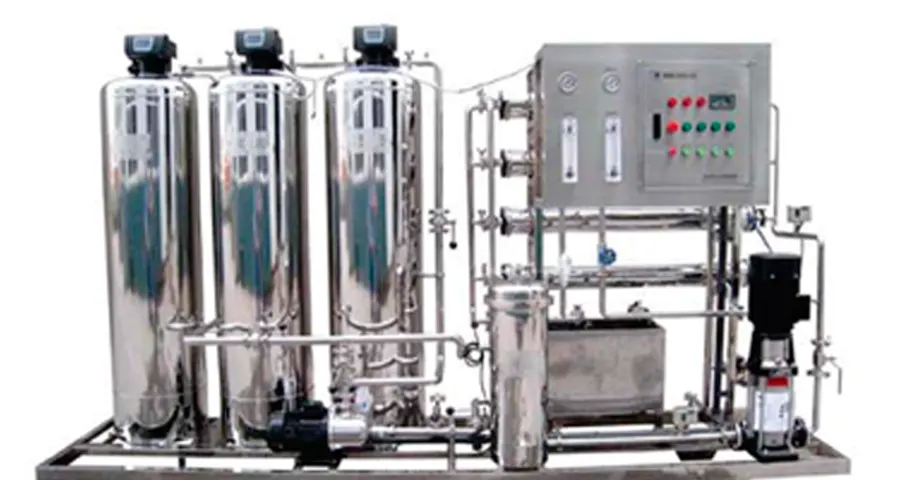
An industrial RO AMC should be designed around the eligible plant, not sold as an invented universal package. Visit frequency, inspection scope, exclusions, materials and breakdown handling require a written discussion after the capacity, usage, operating condition and maintenance history are understood. The aim is to support planned checks and reduce the risk of avoidable unplanned downtime; it cannot guarantee uninterrupted operation, fixed response time or that every part and breakdown is included.
Mysore plant context
Mysore hotels, hospitals, colleges, hostels, apartment facilities and production sites may operate RO plants from a few scheduled hours to multiple shifts. Their storage, operator skill and tolerance for shutdown also differ. An AMC discussion should reflect those operational realities and identify who maintains records, who can authorise a shutdown and which periods are suitable for planned service.
Homes are not the primary audience for this page. Support is inspection-led and depends on the plant type, capacity, issue and installed design.
Problems and warning signs
AMC planning is useful when maintenance has become reactive, records are incomplete or several plant components need coordinated attention across the operating year.
A planned approach can schedule condition reviews and record follow-up items before every concern becomes an urgent breakdown request.
Different operators or vendors may leave incomplete filter, membrane, pump and panel records. An initial review can establish a clearer maintenance baseline.
Higher utilisation, seasonal occupancy or production changes can alter maintenance needs. Service frequency should follow actual use rather than a generic calendar.
Filters, membranes, pumps, motors, dosing, leakage and controls may need coordinated observation, while specialist or material work remains subject to findings and agreement.
Inspection-led service scope
The proposed AMC scope is documented for the eligible plant after an initial discussion or inspection. No fixed visit count, free-parts promise or unlimited breakdown coverage appears on this page.
Record capacity, process stages, feed source, operating schedule, current output, available readings, component condition and known outstanding issues.
Consider usage, operating hours, feed conditions, shutdown windows and service history when proposing a practical frequency for eligible planned visits.
Define applicable checks for filters, membrane indicators, pumps, motors, visible leakage, dosing and control indications without assuming every plant has identical equipment.
Encourage logs for readings, filter or membrane history, alarms, repairs and recommendations so changes can be reviewed across planned visits.
Discuss whether parts, filters, membranes, chemicals, media, specialist work and breakdown visits are excluded or separately approved in the written scope.
Prioritise findings and schedule agreed eligible work based on urgency, shutdown access, labour, material availability and technician scheduling.
Who this is for
Service depends on the installed plant and findings; this list describes common enquiry contexts, not guaranteed coverage of every plant or industry.
Step by step
The AMC discussion starts with the plant and operating risk, then produces a scope suitable for review rather than an unsupported package promise.
Step 1
Share plant capacity, feed source, usage, operating hours, current output, location and why planned support is being considered.
Step 2
Provide recent service, filter, membrane, pump, panel and breakdown records plus known unresolved concerns and previous scope if available.
Step 3
Plant condition, component access, shutdown arrangement, operator support and the practical service coverage are considered.
Step 4
Proposed maintenance activities, frequency, exclusions, materials, approvals and scheduling principles are clarified without inventing benefits.
Step 5
If the scope is accepted, planned activity follows the written terms, current plant condition, site coordination and technician availability.
WhatsApp checklist
Pricing and visit factors
AMC pricing and scope depend on plant capacity, usage, condition, proposed frequency, component coverage, labour, travel, materials and exclusions. A responsible proposal follows review rather than a public fixed price.
Pricing depends on the plant capacity, service scope, component condition, access, labour requirement, spare or material requirement and inspection findings.
Preparation and guidance
Prepare records and internal responsibilities before an AMC discussion. A maintenance agreement works better when operators record readings and recommendations are reviewed between visits.
Choose an operator or facility contact who understands normal readings, can provide access and can record changes between planned visits.
Keep capacity, output, TDS, pressure where available, hours, filter changes, membrane work, alarms, repairs and shutdowns in one accessible record.
Decide who approves materials, specialist work and shutdowns. Review written inclusions instead of assuming all parts or breakdowns are covered.
Do not wait for the next visit when there is serious leakage, burning smell, repeated tripping, severe noise or a major water-quality change.
Enquiry form
Booking depends on the plant location, capacity, issue, operating condition, access and technician availability.
Questions
Direct answers without fake prices, guaranteed results, fixed response claims or manufacturer-authorisation claims.
Inclusions are defined after reviewing plant capacity, stages, usage, condition and records. The written discussion can cover eligible planned observations and follow-up, while materials, repairs and specialist work need clear terms.
No universal visit count is promised. Appropriate frequency depends on operating hours, usage, feed conditions, plant condition, maintenance history and the scope agreed for the eligible plant.
No such promise is made. Parts, filters, membranes, chemicals, media and specialist work must be clearly included or excluded in the written scope and approved as applicable.
No. Planned maintenance can reduce avoidable downtime risk but cannot guarantee uninterrupted operation, unlimited breakdown visits, emergency response or a fixed arrival time.
It can be discussed, but eligibility and starting scope depend on present condition, overdue work, access, records and whether initial corrective actions are needed before planned support.
Availability depends on the plant location, capacity, issue, operating condition, access, proposed scope, shutdown coordination and technician availability.
Related Industrial RO services
Choose the page that matches the plant concern. This page does not link to itself.
Share capacity, usage, service history and the support you want to plan. AMC eligibility, frequency, inclusions and pricing require an inspection-led written discussion.