
Reduced permeate flow
Product-water output that falls under comparable feed and operating conditions can point to fouling or another restriction. Current and earlier readings help the assessment.
Membrane condition and cleaning support
Request an inspection-led membrane cleaning assessment for reduced product-water flow, pressure changes, increased TDS or suspected fouling in an industrial RO plant.
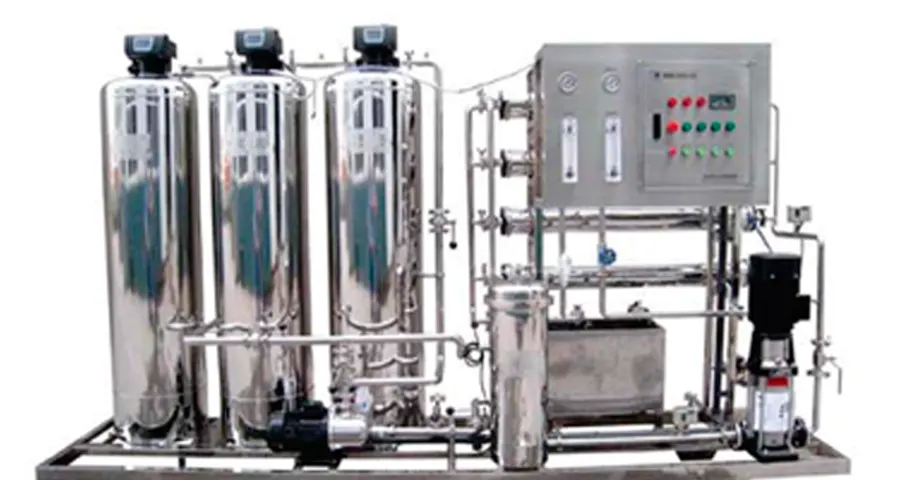
Membrane cleaning should start with a suitability assessment, not a generic chemical recipe. Reduced permeate flow or a rise in product-water TDS can be associated with fouling, scaling, pretreatment performance, feed-water change, pressure, membrane age, physical damage or other plant conditions. Cleaning method and chemical selection depend on the membrane specification, fouling type and system design. Some membranes may be too old, damaged or unsuitable for cleaning and may require replacement instead.
Mysore plant context
Hospitals, food units, hotels and institutions in Mysore often need a controlled shutdown plan because purified-water demand continues while the membrane train is unavailable. Share storage capacity, low-demand hours and whether the plant has multiple trains. This helps separate a cleaning enquiry from an emergency production request and supports safer planning for post-cleaning observation.
Homes are not the primary audience for this page. Support is inspection-led and depends on the plant type, capacity, issue and installed design.
Problems and warning signs
These symptoms justify a membrane-focused assessment, but they do not prove that fouling is the only cause or that cleaning will restore performance.
Product-water output that falls under comparable feed and operating conditions can point to fouling or another restriction. Current and earlier readings help the assessment.
A change in inlet, concentrate or differential pressure may be relevant where reliable readings exist. Pump, filter, valve and instrument condition must also be considered.
Rising TDS can involve membrane condition, seals, feed-water variation, operating pressure or measurement issues. Cleaning is only one possible response after checks.
Feed source, pretreatment history, dosing, shutdown periods and visible deposits can help identify likely fouling, but procedure selection still depends on specifications and inspection.
Inspection-led service scope
The service focuses on membrane condition, cleaning suitability and controlled performance checks. It does not publish or apply one chemical method to every membrane.
Collect membrane age, feed-water source, pretreatment history, cleaning history, output, TDS and available pressure trends before selecting next checks.
Consider likely fouling type, physical condition, age and manufacturer or integrator information to decide whether cleaning is reasonable or replacement should be discussed.
Review membrane quantity and size if known, housing access, isolation arrangement, circulation capability and the shutdown conditions required for eligible cleaning.
Cleaning sequence, compatible chemical selection, concentration and handling depend on membrane and plant specifications. A universal recipe is not provided.
Where the plant is eligible, cleaning work is planned with safe isolation, suitable handling, circulation and rinsing requirements based on the installed system.
After safe restart, available output, TDS, pressure and reject-flow observations can be compared with pre-cleaning information without promising full restoration.
Who this is for
Service depends on the installed plant and findings; this list describes common enquiry contexts, not guaranteed coverage of every plant or industry.
Step by step
Membrane work is planned around data, compatibility and shutdown needs. The result cannot be predicted from a single TDS or flow reading.
Step 1
Share current and earlier output, product-water TDS, available pressure readings, feed source, membrane age and the last cleaning date.
Step 2
Provide membrane quantity, size, brand or integrator information if known, plus photographs of labels, housings and the plant arrangement.
Step 3
The reported trend and site condition are reviewed to decide whether cleaning checks, other plant checks or replacement discussion is more appropriate.
Step 4
Eligible work is scheduled around stored-water needs, safe access, compatible materials, labour and the plant specification.
Step 5
Available performance readings are observed after the plant is rinsed and operating steadily; further guidance follows the actual response.
WhatsApp checklist
Pricing and visit factors
Membrane cleaning scope varies with membrane quantity, size, fouling concern, circulation arrangement, chemical compatibility, shutdown time and whether replacement or other repairs are indicated.
Pricing depends on the plant capacity, service scope, component condition, access, labour requirement, spare or material requirement and inspection findings.
Preparation and guidance
Preserve useful readings and labels before requesting cleaning. Avoid unverified chemical dosing, because the wrong chemistry or procedure can damage membranes and create handling risk.
Record output and TDS after the plant stabilises and, where possible, under comparable feed and pressure conditions rather than comparing unrelated operating moments.
Note filter changes, media work, dosing interruptions and feed-source changes because upstream performance affects membrane fouling and future cleaning decisions.
Membrane material, fouling and plant design determine safe chemistry and procedure. Internet recipes are not a substitute for specification-led planning.
Plan the shutdown around facility demand and keep the operator available for isolation, restart information and post-cleaning observation.
Enquiry form
Booking depends on the plant location, capacity, issue, operating condition, access and technician availability.
Questions
Direct answers without fake prices, guaranteed results, fixed response claims or manufacturer-authorisation claims.
No. Cleaning suitability and response depend on membrane age, fouling type, physical condition, feed-water history and plant operation. Some membranes may need replacement rather than cleaning.
The assessment considers performance trends, age, prior cleaning, likely fouling, pretreatment, physical condition, specifications and site access. A decision is not made from TDS alone.
Chemical selection and procedure depend on membrane specifications, fouling type, compatibility and plant design. Service Junction does not publish a generic recipe or recommend chemicals without the required assessment.
No. High TDS may relate to fouling, membrane damage, seals, feed change, pressure, instruments or plant operation. The cause and cleaning suitability need inspection.
Eligible cleaning normally requires a planned shutdown and safe isolation. The duration and arrangement depend on membrane quantity, plant design, procedure, rinsing and site conditions.
Send capacity, membrane details, age, feed source, output, TDS, available pressure readings, last cleaning date, photos, location, access and a suitable shutdown window.
Related Industrial RO services
Choose the page that matches the plant concern. This page does not link to itself.
Send membrane and performance details for a cleaning-suitability discussion. Cleaning, replacement or additional checks are recommended only from the actual condition and plant specification.